SC Drops a Bombshell: Even Unproven Harassment Cases Must Be in a VC’s Resume
Transparency Over Technicalities – A Wake-Up Call for Universities
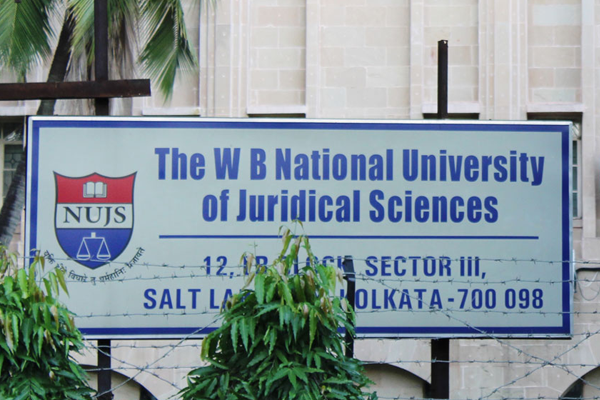
The Supreme Court has delivered a precedent-setting judgment that strikes at the very heart of institutional accountability. In a case involving the Vice-Chancellor of the West Bengal National University of Juridical Sciences (NUJS), the Court ruled that even though a sexual harassment complaint could not be investigated on technical grounds, the incident must still be recorded in his biodata.
 ---
The Case
A faculty member had accused the Vice-Chancellor of sexual harassment. However, the complaint was lodged well beyond the time limit prescribed under Section 9 of the POSH Act—which allows a maximum of three months, extendable up to six months, from the date of the alleged incident. On that technical ground, the case could not be formally pursued.
This is also the core of what I write about in my book, Property Law Unveiled. How to safeguard your property with minimum litigation. It’s about living with legal awareness, not on autopilot. The knowledge of law isn’t just an academic practice—it’s a practical tool for success in everyday life.
But the Court refused to allow this to become an escape route.
---
What the Supreme Court Said ?
A Bench of Justices Sanjiv Khanna, Sudhanshu Dhulia, and Prasanna B. Varale passed a remarkable order:
“It is advisable to forgive the wrongdoer, but not to forget the wrongdoing. The facts of the complaint must be reflected in the respondent’s biodata so that alleged acts in educational institutions are not buried or forgotten.”
The message is simple: technical lapses cannot erase the record of allegations.
---
Why This Judgment Matters ?
1. Transparency First: University leaders and senior officials can no longer hide behind procedural dismissals to project a clean image.
2. A Real Deterrent: Knowing that allegations will remain on record ensures greater caution and responsibility in positions of power.
3. Spirit of POSH Strengthened: The law was created to protect dignity, not to be defeated by paperwork or timelines.
The Larger Message for Academia
For too long, POSH compliance in universities and schools has been treated casually: a one-day seminar, a token compliance report to UGC or AICTE, and then silence until the next year.
This ruling is a blunt reminder:
POSH is not a ritual. It is a living duty.
Institutions must act meaningfully. Training, awareness, and strong grievance redressal systems must become part of campus culture.
Leadership will be held accountable. No Vice-Chancellor, Principal, or Director can escape scrutiny by hiding behind technicalities.
Wrong doing will be punished
The Supreme Court has drawn a clear line: justice delayed may be justice denied, but wrongdoing cannot be erased.
From now on, those in positions of authority must understand that reputation is tied not only to achievements but also to how they handle allegations of misconduct. For educational institutions, this is a turning point: either build safe and transparent campuses, or prepare for reputational scars that no resume can hide.
#SupremeCourt #POSH #CampusSafety #EducationReform #WomenSafety #Transparency #LawAndAccountability